Preventive Emergency Lighting Maintenance Tips for Commercial Facilities
Emergency lighting plays a critical role in protecting employees, customers, and visitors during unexpected situations such as power outages, fires, or emergencies. For commercial facilities, properly functioning emergency lighting systems are not only important for safety but also necessary for meeting legal and building compliance requirements. Regular preventive maintenance ensures that your emergency lighting remains reliable when it is needed most.
Commercial buildings rely on emergency lighting systems to guide occupants safely toward exits during emergencies. If these systems fail, it can create confusion, panic, and safety risks. Preventive maintenance helps businesses:
Maintain workplace safety
Meet local fire and electrical compliance standards
Reduce costly emergency repairs
Extend the lifespan of lighting systems
Ensure uninterrupted emergency preparedness
Routine inspections and testing can identify issues early before they become major problems.
One of the most important preventive maintenance practices is routine functional testing. Commercial facilities should test emergency lights periodically to ensure they activate properly during power failures.
Monthly testing is commonly recommended to verify:
Battery functionality
Proper illumination
Charging indicators
Exit sign visibility
Automatic switching during power outages
During testing, facility managers should check whether all emergency lights remain operational for the required duration.
Inspect Batteries Frequently
The battery is the heart of any emergency lighting system. Over time, batteries naturally degrade and lose their ability to hold a charge. A failed battery can cause emergency lights to malfunction during critical situations.
Preventive maintenance should include:
Inspecting batteries for corrosion or leakage
Checking battery charging status
Replacing old or damaged batteries
Ensuring backup power duration meets regulations
Most emergency lighting batteries require replacement every few years depending on usage and environmental conditions.
Keep Emergency Lights Clean
Dust, dirt, and debris can reduce the brightness and effectiveness of emergency lighting. Commercial environments such as warehouses, factories, and retail stores may accumulate dust quickly.
Cleaning maintenance should include:
Wiping lenses and fixtures regularly
Removing dirt from exit signs
Ensuring lights are unobstructed
Checking for physical damage or cracks
Clean fixtures improve visibility and help maintain proper illumination levels during emergencies.
Check Exit Signs and Directional Indicators
Exit signs are a crucial part of emergency evacuation systems. Damaged or poorly illuminated exit signs can create confusion during emergencies.
Preventive maintenance should ensure:
Exit signs are illuminated properly
Directional arrows remain visible
Signs are not blocked by furniture or displays
Backup lighting functions correctly
Businesses should also verify that exit routes remain clearly marked throughout the facility.
Replace Faulty Components Immediately
Small electrical issues can quickly turn into major system failures if ignored. During routine inspections, maintenance teams should identify and replace faulty components such as:
Burnt-out bulbs
Flickering lights
Damaged wiring
Loose connections
Defective charging units
Prompt repairs help prevent unexpected failures and maintain compliance with safety standards.
Schedule Professional Inspections
While in-house maintenance is helpful, professional inspections provide a more detailed evaluation of emergency lighting systems. Licensed technicians can identify hidden electrical issues, compliance concerns, and performance problems that may go unnoticed.
Professional emergency lighting maintenance services often include:
Full system diagnostics
Compliance testing
Battery load testing
Emergency duration testing
Detailed maintenance reports
Commercial facilities benefit from expert inspections to ensure systems meet all local safety regulations.
Maintain Accurate Maintenance Records
Keeping detailed maintenance records is essential for commercial properties. Documentation demonstrates compliance during inspections and helps track maintenance schedules.
Maintenance logs should include:
Testing dates
Inspection results
Repairs completed
Battery replacements
Technician reports
Accurate records can also help businesses identify recurring issues and plan future upgrades.
Upgrade Older Emergency Lighting Systems
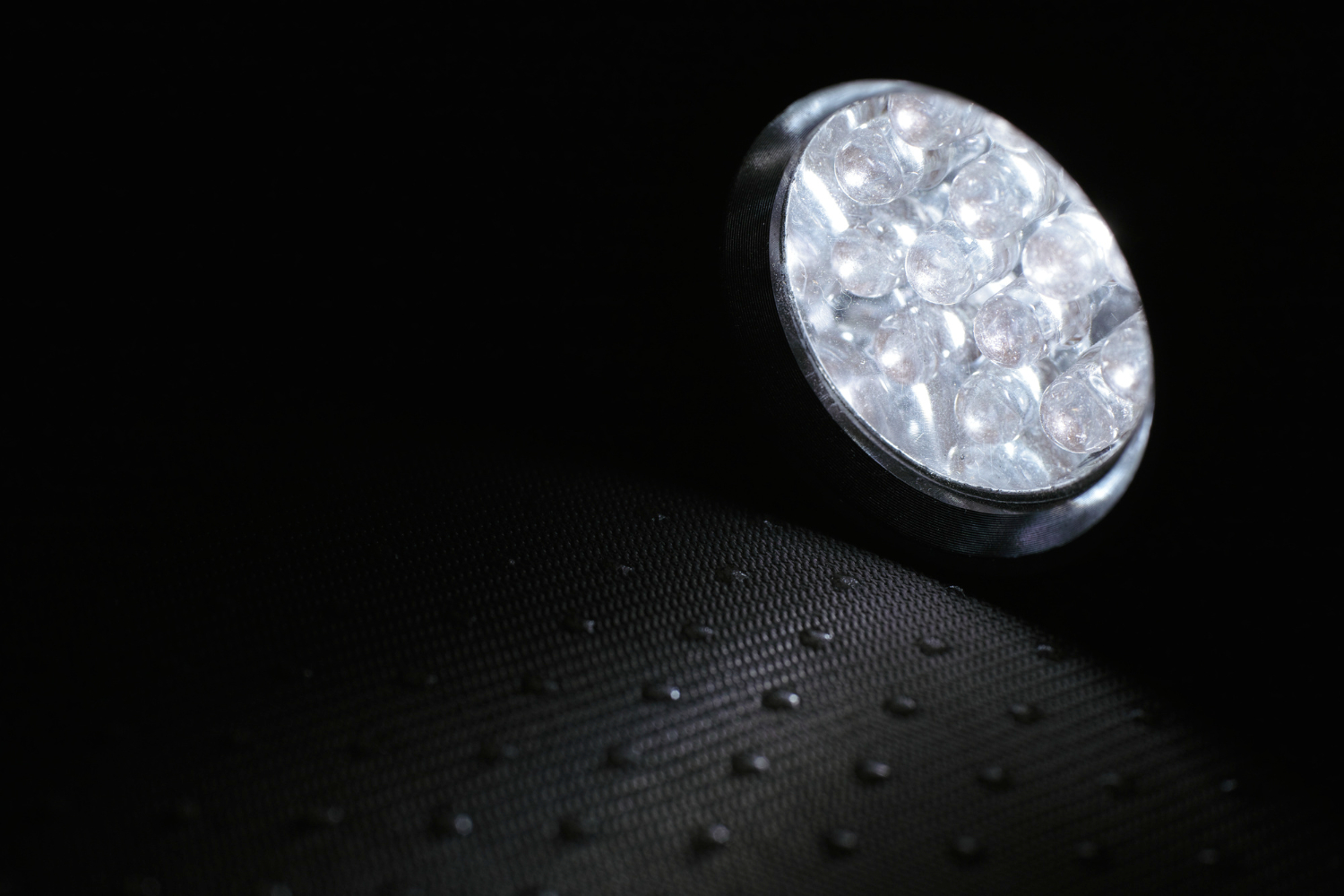
Older emergency lighting systems may become less efficient and more difficult to maintain over time. Upgrading to modern LED emergency lighting solutions can improve reliability, energy efficiency, and long-term cost savings.
LED emergency lights offer:
Longer lifespan
Lower energy consumption
Brighter illumination
Reduced maintenance requirements
Better performance during emergencies
Modern systems can significantly improve overall safety in commercial facilities.
Conclusion
Preventive emergency lighting maintenance is essential for ensuring safety, compliance, and operational readiness in commercial facilities. Regular testing, battery inspections, cleaning, professional servicing, and timely repairs help businesses avoid unexpected failures during emergencies. By investing in routine emergency lighting maintenance, commercial property owners can protect occupants, reduce risks, and maintain a safe working environment year-round.
Request A Free Quote Today!
Complete our simple form with your requirements and we'll get back to you with your quote that will suit your needs and budget.


 1300 887 579
 info@emergencyls.com.au
  POST OFFICE BOX 189 LUTWYCHE QLD 4030